Spain ends 24-hour shifts for medical residents, 17-hour limit from September
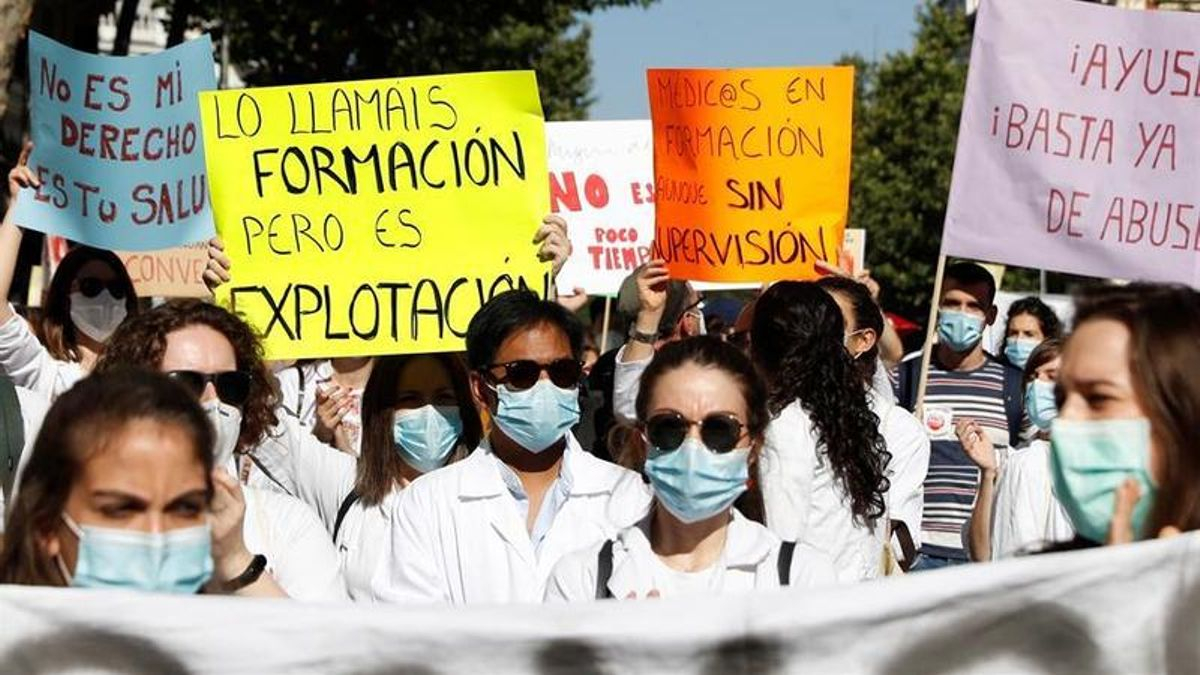
Why it matters: Medical residents in Spain will no longer do 24-hour shifts. From 1 September, shifts are limited to 17 hours, and the pay changes take effect from 1 January 2027.
Details:
- The Consejo de Ministros (Spain's cabinet) has approved a Real Decreto regulating the employment of health science residents.
- From 1 September, MIR (medical residents) shifts are limited to 17 hours, with no exceptions for weekends or hard-to-cover days.
- On-call duty is limited to 68 hours per month, with a possible additional module for justified teaching reasons.
- The combined ordinary and on-call work cannot exceed 45 hours per week on a quarterly average; the ordinary week is capped at 35 hours.
- Mandatory rest periods of at least 12 hours, plus 24 hours of uninterrupted weekly rest.
- Degree supplement percentages go from 0 to 18% in year one, 8 to 28% in year two, 18 to 38% in year three, and 48% and 58% for years four and five, from 1 January 2027.
What it means for you: The new 17-hour shift limit for medical residents starts on 1 September. The updated pay scheme will apply from 1 January 2027. Other measures, such as flexible hours for those with children, take effect on publication in the BOE.
What changes for medical residents
The Consejo de Ministros (Spain's cabinet) has approved a Real Decreto that ends 24-hour shifts for medical residents (MIR) across Spain. From 1 September, the maximum shift length will be 17 hours, including both regular and on-call hours. There will be no exceptions for weekends or difficult-to-cover days; as Secretary of State Javier Padilla said, residents are not structural staff.
New limits on hours and rest
Residents will be allowed up to 68 hours of on-call duty per month, equivalent to four 17-hour shifts. In exceptional cases, an extra module may be added for justified teaching reasons. The total combined ordinary and on-call work cannot exceed 45 hours per week on a quarterly average, and the standard working week is capped at 35 hours. Residents must have mandatory rest periods of at least 12 hours, plus 24 hours of uninterrupted rest each week. Hospitals must implement time-tracking systems to ensure compliance.
When the changes take effect
The new limits on shift duration and working hours will come into force on 1 September, to allow hospitals to adapt. Other measures, such as flexible schedules for residents with children under 12 or other care responsibilities, will apply from the day the Real Decreto is published in the BOE (Spain's official gazette). The updated pay scheme, including degree supplement percentages, will take effect from 1 January 2027.
Background and pay changes
The Real Decreto sets degree supplement percentages that go from 0 to 18% in the first year, 8 to 28% in the second, 18 to 38% in the third, and 48% and 58% for the fourth and fifth years, respectively. Regional health services may agree higher percentages. There is also a guarantee of a pay supplement for residents during temporary incapacity, maternity, adoption, fostering, or in case of risk during pregnancy or breastfeeding, calculated based on the previous six months' pay. Unlike the Estatuto Marco, which lapsed when elections were called early, this decree needs no parliamentary process and will take effect as soon as published, except for the staged changes to working hours and pay.
Source: elDiario.es ↗ · Discuss on Telegram ↗