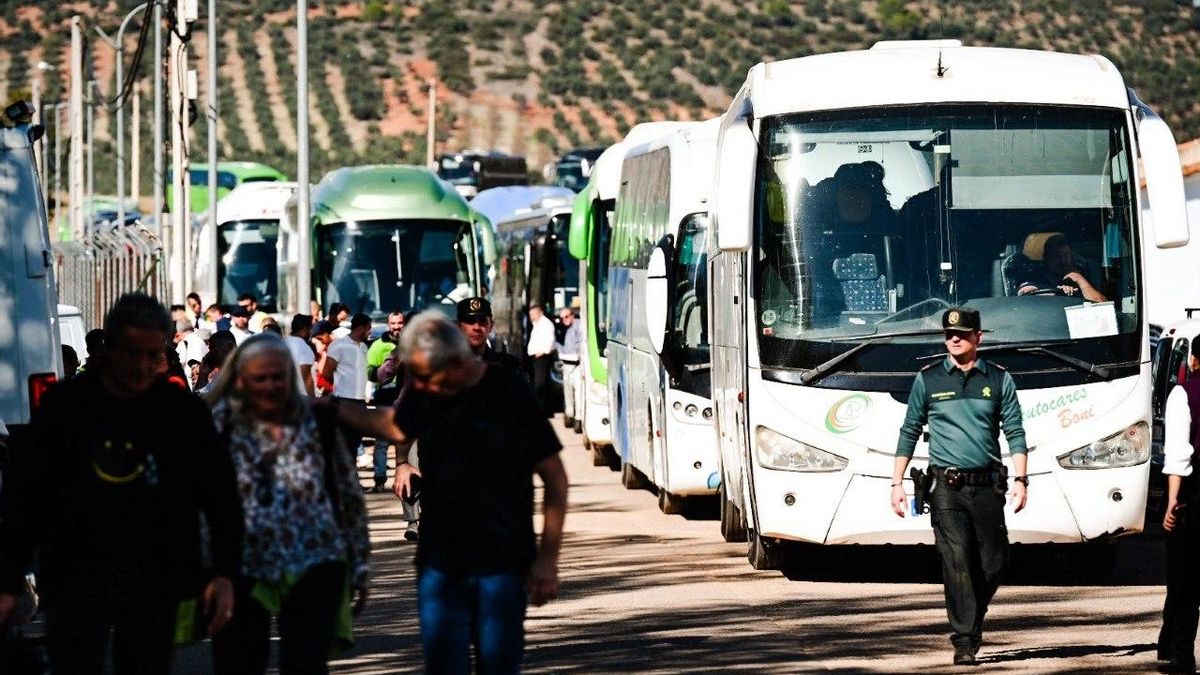
Reflective gear required by law for pedestrians outside towns at night in Spain
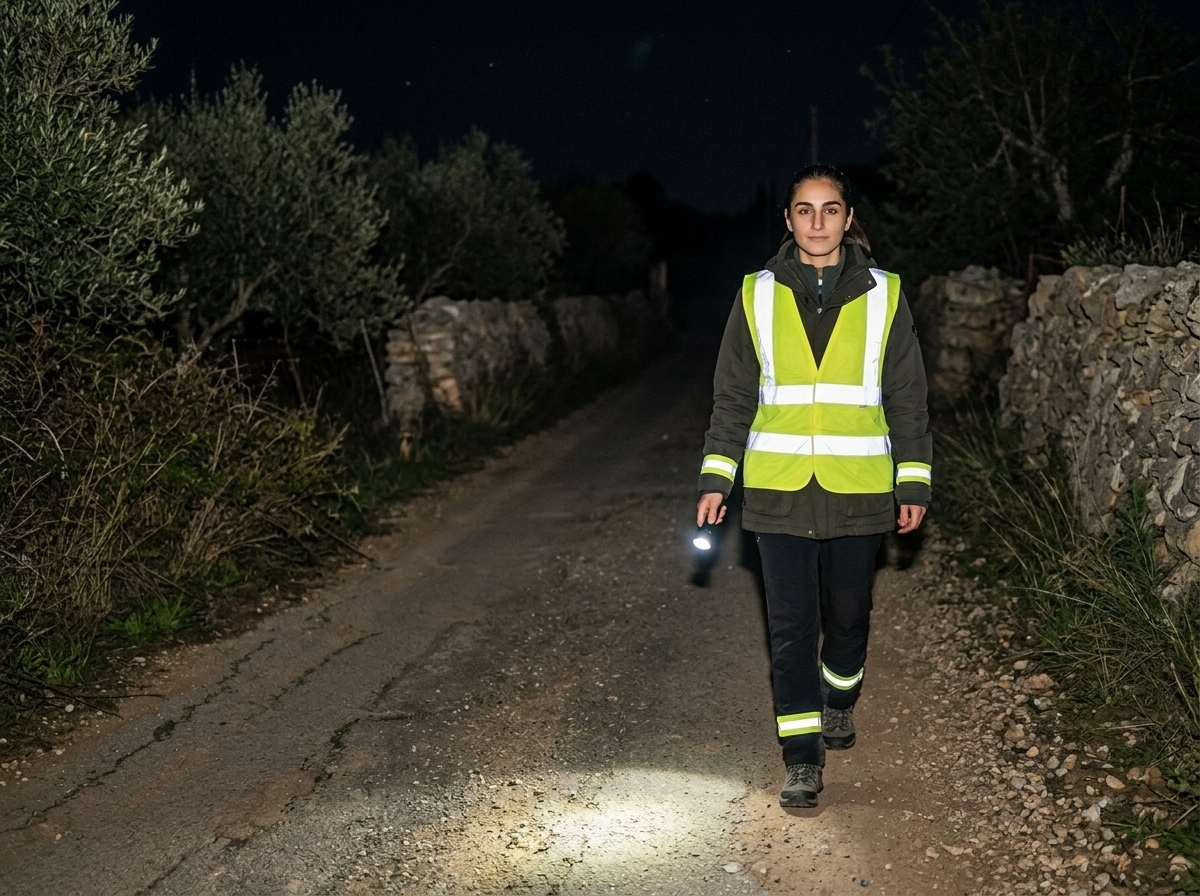
Why it matters: Anyone walking along roads or hard shoulders outside built-up areas in Spain between sunset and sunrise, or during adverse weather that significantly reduces visibility, must wear approved reflective or luminous gear visible from at least 150 metres.
Details:
- Spanish law requires pedestrians outside populated areas to wear approved retro-reflective or luminous elements between sunset and sunrise.
- The gear must be visible from at least 150 metres to approaching drivers.
- This rule is set out in Article 123 of the General Traffic Regulations.
- Equipment must comply with Royal Decree 1407/1992, which regulates personal protective equipment.
- Groups of walkers led by a person or moving as an organised cortege or procession must carry additional lighting: white or yellow to the front, red to the rear, on the side closest to the centre of the road.
- The rule also applies during adverse weather or environmental conditions that significantly reduce visibility.
What it means for you: Pedestrians walking outside built-up areas at night must wear approved reflective or luminous gear visible from 150 metres. Groups of walkers led by a person or moving as an organised cortege or procession must carry extra lighting: white or yellow to the front and red to the rear, on the side closest to the road centre.
Spanish law requires anyone walking along roads or hard shoulders outside built-up areas between sunset and sunrise to wear approved reflective or luminous gear. According to N332, Driving in Spain, this rule is part of Article 123 of the General Traffic Regulations and requires the gear to be clearly visible to approaching motorists from at least 150 metres. The equipment must meet the standards set by Royal Decree 1407/1992, which regulates personal protective equipment. The law also applies during adverse weather or environmental conditions that significantly reduce visibility.
Groups of walkers led by a person or moving as an organised cortege or procession must carry additional lighting on the side closest to the centre of the road. The lights must show white or yellow to the front and red to the rear, which can be combined in a single set. These requirements are intended to ensure drivers have enough time and distance to see and react to pedestrians in low-light conditions.