Reform of regulated electricity tariff cushions part of soaring wholesale prices in Spain
Why it matters: The PVPC reform, approved in 2023, is limiting some of the price increases caused by the surge in gas prices linked to the war in Iran, affecting about 8 million supply points on the regulated tariff.
Details:
- The PVPC (regulated electricity tariff) reform was approved in June 2023 and is fully in force since January.
- The reform gives 55% weight to long-term futures contracts and 45% to the daily market price.
- About 8 million supply points are on the PVPC tariff.
- From September, the hourly adjustment in PVPC averaged -€54/MWh, with October so far at -€68/MWh.
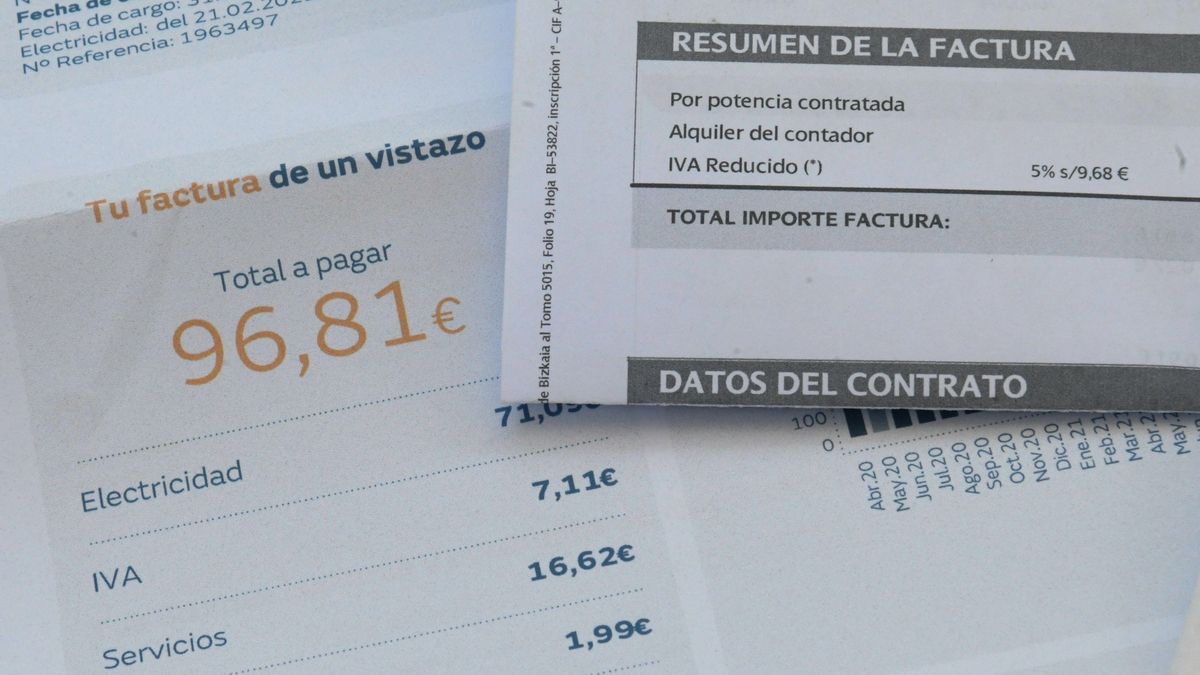
- The average PVPC bill in September rose 28% year-on-year to €104.31 for a typical user.
- The wholesale electricity market exceeded €200/MWh for the first time since June 2022.
What it means for you: The PVPC reform is already fully in force and affects supply points on the regulated tariff. The new system means bills for PVPC users are less volatile but still subject to large increases. About 8 million supply points are on the PVPC tariff.
What has changed for electricity bills in Spain
The reform of Spain's regulated electricity tariff (PVPC), approved by the government in June 2023 and fully in force since January, is helping to cushion part of the sharp price increases caused by the surge in gas prices linked to the ongoing conflict in Iran. According to elDiario.es, about 8 million supply points are on the PVPC tariff, which now bases 55% of its price on long-term futures contracts and 45% on the daily wholesale market.
How the new PVPC system works
The reform was introduced to make PVPC bills less volatile and less dependent on hourly fluctuations in the electricity market. The adjustment mechanism now compares the wholesale market price (the "pool") with a basket of futures prices from OMIP. When the futures price is lower than the pool, as has happened since the summer, this adjustment acts as a discount for PVPC users. Since September, this adjustment has averaged -€54/MWh, with October so far reaching -€68/MWh. In September, the energy cost itself was negative for 17 hours in total across 5, 6, 26 and 27 September (the adjustment was negative at all hours), meaning that for those hours, the cost of energy was below zero before taxes and network charges were added.
Impact on bills and future outlook
Despite the reform, PVPC users still saw their average bill rise 28% year-on-year in September, reaching €104.31 for a typical household (4.4 kW contracted power and 366 kWh monthly consumption). The increase would have been even higher without the reform. The wholesale electricity market exceeded €200/MWh for the first time since June 2022, driven by gas prices, which feed through when renewable output is insufficient. The rise in PVPC bills is expected to eventually affect customers on free-market tariffs as well, whose contracts are usually revised annually and tend to be more expensive in the long run.
Background and reasons for the reform
The PVPC reform was a requirement from the European Commission in exchange for approving the "Iberian exception" that allowed Spain and Portugal to limit the impact of gas prices on electricity bills after the invasion of Ukraine. The previous system, introduced in 2014, made PVPC bills fully dependent on the daily market, exposing users to sharp price swings. The new system aims to provide more stability, but Neuro Energía founder Javier Colón warns that as futures are rising now, when the pool starts to fall the effect will reverse.
Source: elDiario.es ↗ · Discuss on Telegram ↗